Why Marine Parts Disappear
Boats outlive their builders. A 30-year-old yacht is entirely serviceable, but the yard that built it — and made its custom fittings — may have closed decades ago. Production hardware gets discontinued, metric replaces imperial, and the specific casting your stern gear needs is in no catalogue anywhere.
We reproduce marine parts from the original — even heavily corroded. Corrosion rarely destroys the geometry we need; the part's design intent is recoverable from what remains plus the components it mates with.
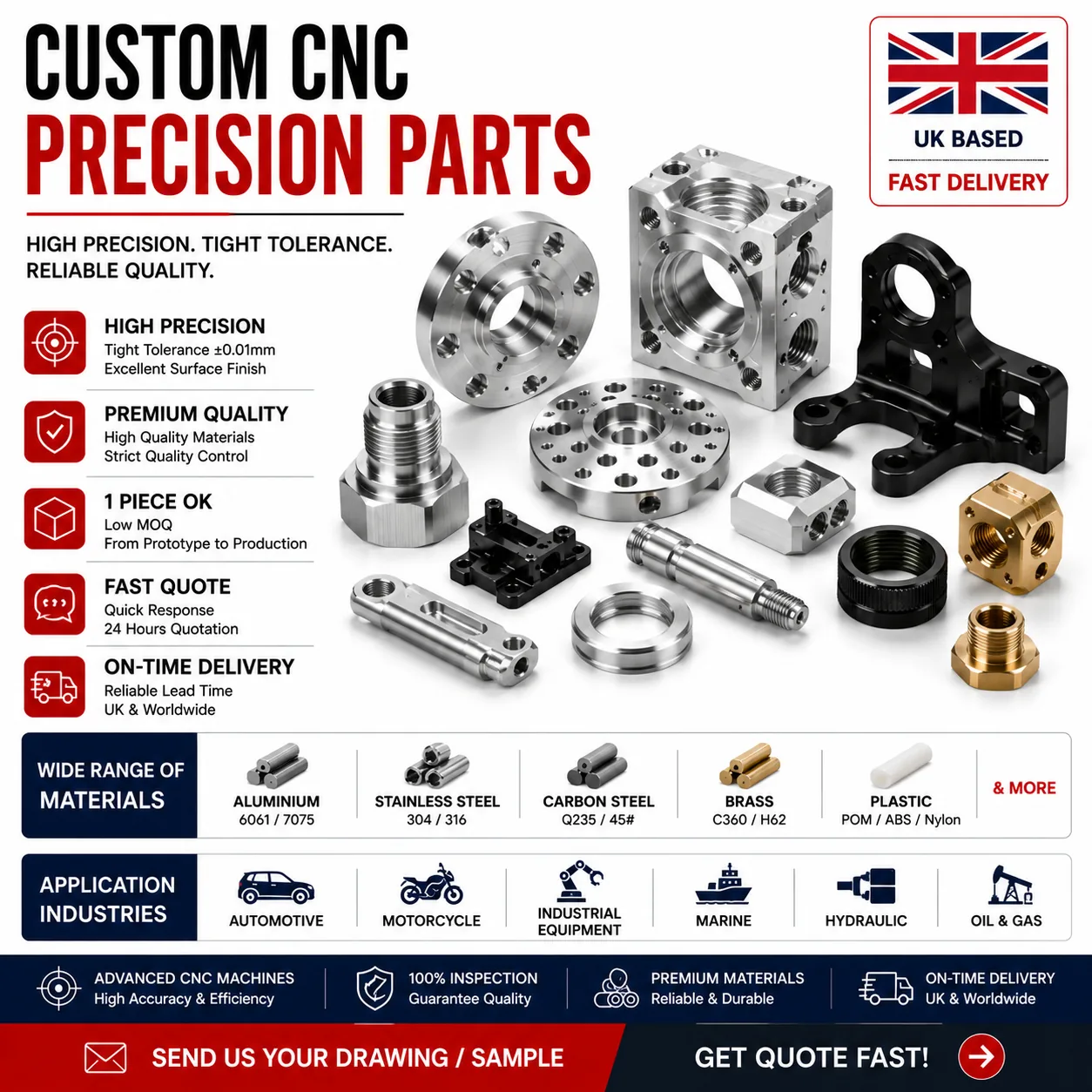
Marine Parts We Reproduce
Shaft components
Taper sleeves, shaft nuts, keys, locking collars to propulsion tolerances.
Cutlass bearing housings
Stern tube carriers with water inlet provisions, original interference fits.
Stern gland parts
Seal carriers, packing followers, lantern rings.
Deck hardware
Cleats, fairleads, stanchion bases, custom fittings in 316L.
Rudder hardware
Pintles, gudgeons, tiller heads, quadrant components.
Seacock components
Bodies, bonnets, handles in dezincification-resistant bronze.
Engine room fittings
Engine bed brackets, exhaust supports, heat exchanger end caps.
Raw-water pump parts
Impeller housings, cam plates, wear plates. See pump parts.
Material Selection — Get the Galvanic Pairing Right
| Application | Correct material | Common mistake |
|---|---|---|
| Below waterline, bronze system | Naval brass / HTB1 | Ordinary brass — dezincifies in months |
| Deck hardware | 316L passivated | 304 — tea-stains and pits in salt spray |
| Against stainless prop shaft | Bronze with isolation | Aluminium — sacrificial corrosion |
| High-load chainplates, fittings | Duplex 2205 | 316 in crevice conditions — pitting |
| Bearings & wear strips | Delrin / HDPE | Nylon — swells when saturated |
If the original corroded fast, tell us where it lived. Galvanic pairing, oxygen starvation in crevices, and stray current all destroy specific materials in specific ways. Knowing the failure pattern lets us specify a replacement that won't repeat it — usually at no extra cost.
How It Works
- Send the part and your haul-out date — corroded, broken, fine. We work backwards from when the boat must launch.
- Free CAD reconstruction — geometry restored to design intent, material specified for the environment. See marine RE process.
- Machine, passivate, ship — stainless passivated post-machining, shipped tracked worldwide with inspection report.
Marine Parts We Have Reproduced
A cross-section of recent marine replacement work — fishing vessels, pleasure craft, workboats and offshore equipment:
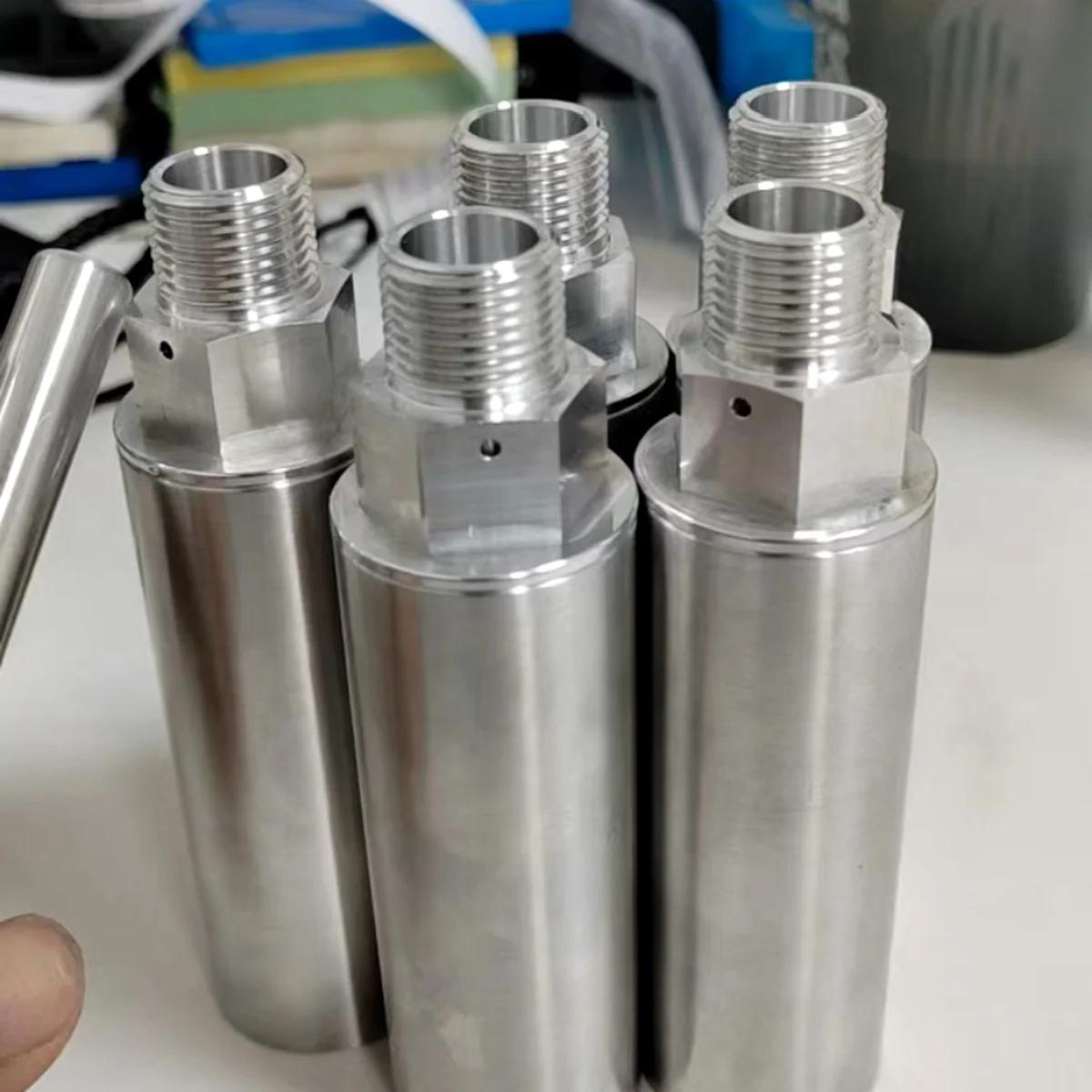
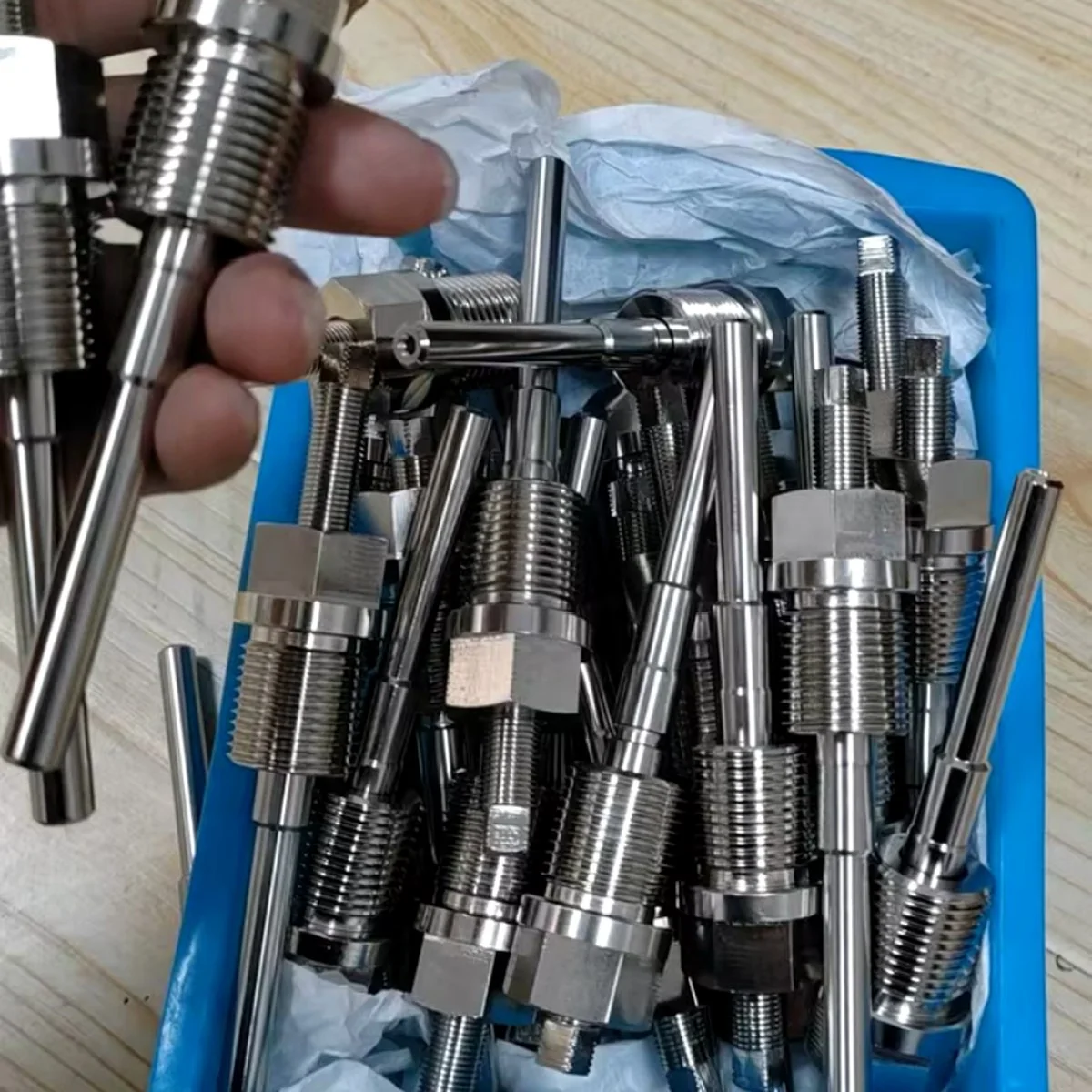
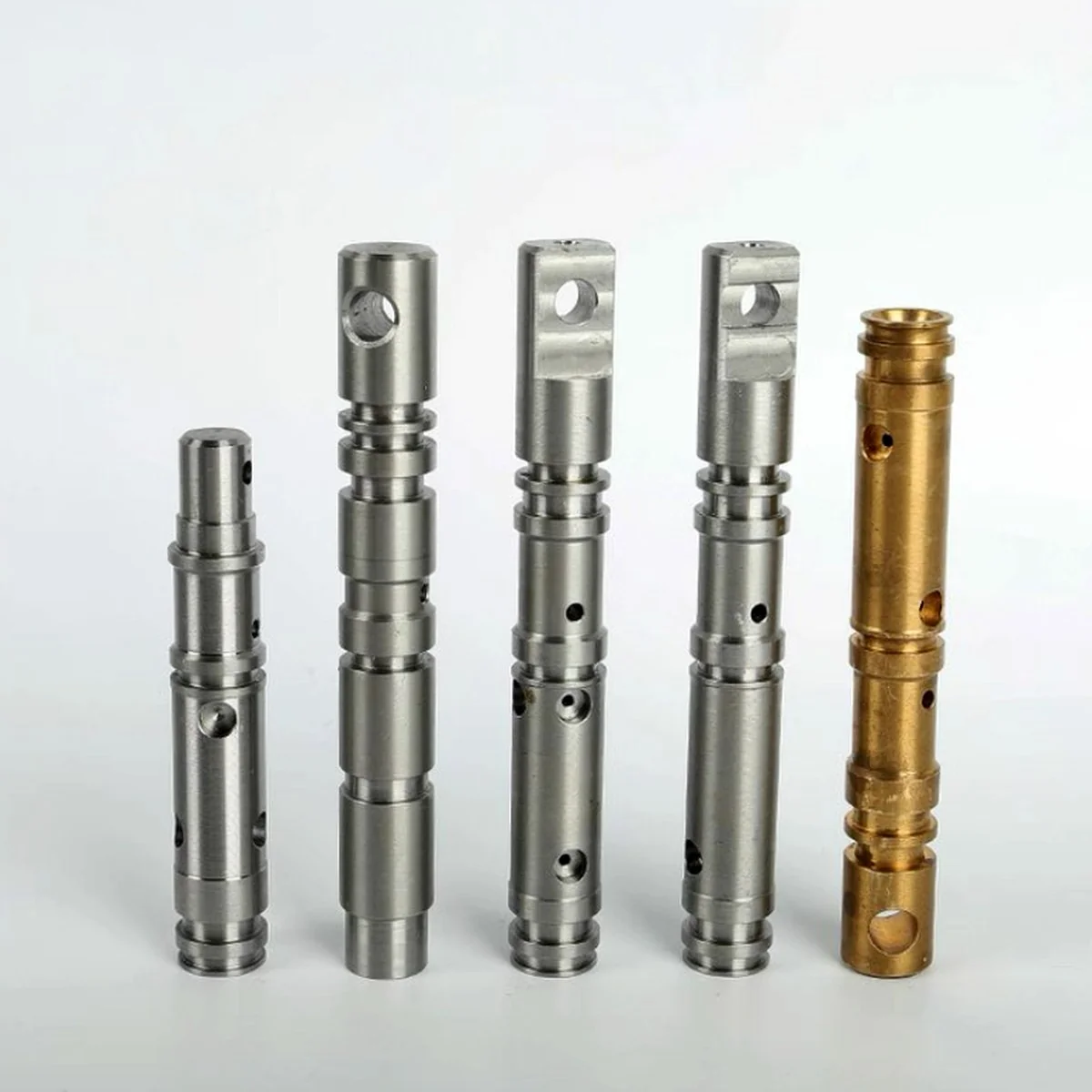
Saltwater Doesn't Care That the Yard Closed
What this page offers is a fitting that survives the second time round — reproduced in the correct marine grade, with the galvanic mistake that ate the first one quietly corrected. Boats outlive the yards that build them and saltwater never clocks off, so by the time someone reaches us the chandlery has shrugged and the original is a green lump in their hand. Here is who they are and what they send.
"Haul-out is booked, a seacock has seized solid, and the bronze part simply isn't made anymore"
Send the seized fitting — green and pitted is fine, we read the geometry underneath the corrosion. We reproduce it in dezincification-resistant bronze, work backwards from your splash date, and tell you honestly whether it makes the window before you commit a penny. One piece is a normal order here.
"I'm refitting an older hull and half the deck hardware is one-off, with the builder long gone"
That is the bread and butter. Cleats, fairleads, stanchion bases, rudder pintles — each reproduced in 316L or naval brass from the originals, passivated after machining. We keep the CAD too, so a sister-ship refit down the line doesn't start from a blank sheet.
"Stern gear on a working boat is worn and every day alongside is money I'm not earning"
Send the worn shaft sleeve, gland part or cutlass housing. We machine to propulsion tolerances in 316L or duplex, hold the original interference fits, and quote express where a breakdown demands it. Mill certs ride along with the part when class or your insurer asks for them.
"I'm restoring a classic and need fittings that match the original — right shape, right metal"
We copy the original pattern in a period-correct grade, and where a galvanic mismatch ate the first one we quietly correct the metallurgy without touching the look. Bronze where it ought to be bronze; the right isolation between two metals that never should have met.
What Buyers Search For When a Marine Part Fails
Frequently Asked Questions
Yes. Custom and semi-custom boats are full of one-off fittings no catalogue stocks. Send the failed part — corroded is fine — and we reproduce it in 316L, bronze or the appropriate marine grade. No builder cooperation or drawing needed.
316L and 304 stainless, naval brass (HTB1), phosphor bronze, duplex 2205, super duplex 2507, plus HDPE, Delrin and PTFE for bearing and seal applications. Stainless parts are passivated after machining.
Tell us the date the vessel goes back in the water and we work backwards. A single machined 316L component is typically 5–10 working days after CAD approval, plus shipping. Express options exist for breakdowns — we confirm honestly what is achievable.
It can. We review the galvanic pairing: if a bronze part corroded against a stainless shaft, or aluminium against bronze, we suggest material or isolation changes. Often the fix is as simple as the correct grade plus an isolating washer — we advise as part of the quote.
Yes. We supply mill certificates (EN 10204 3.1) with marine metal orders on request, so the grade is documented for a class surveyor or your insurer. Tell us at quote stage that you need certs and to which standard, and they ship with the part rather than chasing them afterwards.
Yes — that is the whole point of working from the physical part. We measure the bolt circle, hole spacing and mating faces off your original (or a clean template if it's beyond recovery) so the new fitting drops onto the holes already there. No re-drilling the deck or the engine bed to suit a near-miss.
Marine Part Quote
Include your haul-out date. Reply in 24h.
// Qty & price
1 pc
Sample price
Confirm fit before a run
3–10
Unit price drops
Setup cost shared
10+
Best price
All tiers quoted upfront
- →No distributor — you pay the maker directly
- →CAD saved after first order — reorder anytime at lower unit price
support@ekinsun.ltd
REPLACEMENT PARTS